
Apartment living across Melbourne means sharing plumbing infrastructure with dozens, sometimes hundreds, of other residents, and when a drain blocks, it is not always obvious whose responsibility it actually is. For anyone dealing with Melbourne Blocked Drains in a strata building, the question of who pays almost always comes down to one thing: whether the blocked pipe serves only your apartment or forms part of the shared drainage system used by multiple lots. This guide walks through how that responsibility is actually decided under Victorian law, and what to do depending on which side of the line your blockage falls on.
This article provides general information based on the Owners Corporations Act 2006 and common Victorian strata practice. Responsibility for a specific blockage ultimately depends on your building’s plan of subdivision and owners corporation rules, so always confirm with your owners corporation manager or a plumber’s written assessment for your exact situation.
Who Pays for a Blocked Drain in an Apartment?
In Victoria, plumbing responsibility in a strata building is generally split according to who the pipe actually serves, not simply where it is physically located. Under the Owners Corporations Act 2006, the owners corporation is responsible for maintaining common property, which includes shared drainage infrastructure servicing multiple lots. A lot owner is generally responsible for plumbing that exists solely within their own apartment and serves only that unit. A blocked drain inside your apartment that only affects your own fixtures is typically your responsibility, while a blockage in a shared stack or drain line serving several apartments is typically the owners corporation’s.
Is the Drain Part of the Lot or Common Property?
This is the central question, and it is not always as simple as looking at where the pipe physically runs. A pipe can pass through a wall inside your apartment and still be common property if it services other lots as well as your own, since the test is generally about function rather than physical location. The definitive answer sits in your building’s plan of subdivision, which sets out the boundaries between lot property and common property for that specific building. When responsibility is unclear, a plumber’s assessment of where the blockage sits relative to those boundaries, and which units the affected pipe actually serves, is usually the fastest way to settle the question.
What if Several Apartments Are Affected?
If a blockage is affecting multiple apartments at once, this is a strong indicator that the problem sits in shared drainage infrastructure rather than an individual lot’s plumbing, and it generally becomes the owners corporation’s responsibility to organise and pay for the repair. Because it affects several households, it is also typically treated as urgent, given the health and hygiene concerns involved, and the owners corporation is expected to act promptly to have it assessed and resolved rather than leaving multiple residents without properly functioning drains.
Who Should Organise the Melbourne Plumber?
For a blockage affecting shared infrastructure, the owners corporation or its appointed strata manager should be the one to organise the plumber, since they hold responsibility for common property and any related costs. For a blockage that is clearly isolated to a single apartment’s own plumbing, the lot owner is generally expected to arrange and pay for their own Melbourne plumber. Where it is genuinely unclear which category the blockage falls into, it is reasonable for either party to organise an initial assessment, with cost responsibility settled once the plumber has confirmed where the fault actually sits.
What if Only One Unit Is Affected?
A blockage affecting only one apartment, with no impact on neighbouring units, points toward the issue being isolated to that lot’s own plumbing, which generally makes it the lot owner’s responsibility. That said, this is not an automatic rule. It is possible for a blockage in a shared pipe to initially present as a single-unit problem, particularly if that unit happens to sit at a low point in the shared line where debris naturally collects first. A plumber’s assessment is the most reliable way to confirm whether a seemingly isolated issue is actually connected to broader shared infrastructure.
Who Pays if a Resident Caused the Blockage?
If a blockage, whether in a lot’s own plumbing or in a shared line, was caused by something a resident put down their drain, foreign objects, excessive grease, or similar misuse, responsibility for the cost can shift to that resident regardless of whether the affected pipe is otherwise classified as common property. This is generally treated separately from the standard lot versus common property split, since it relates to the cause of the blockage rather than which infrastructure it occurred in. Owners corporations typically retain the right to recover reasonable costs from a resident whose actions directly caused damage to shared infrastructure.
Who Is Responsible for Shared Sewer Pipes?
Shared sewer stacks, the vertical pipes that collect wastewater from multiple apartments stacked on top of each other before it exits the building, are treated as common property and fall under the owners corporation’s maintenance obligations under the Owners Corporations Act 2006. This remains the case even where the stack physically runs through the walls or floors of an individual lot, since the relevant test is which apartments the pipe actually services, not simply its physical path through the building.
What Happens With Emergency Sewer Overflows?
A sewage overflow affecting common areas or multiple apartments is treated as an urgent matter, and the owners corporation is expected to respond quickly given the health and hygiene risk involved. Most professionally managed strata buildings have an emergency contact process in place specifically for this kind of situation, allowing the building manager or strata manager to arrange an emergency plumber outside of normal business hours if needed. If your building does not have a clear emergency process, or you are unsure who to contact, reporting the issue to your strata manager and your emergency plumber at the same time is a reasonable way to get the situation addressed without delay.
What Information Should the Plumber Provide to the Owners Corporation?
Once a plumber has assessed a blockage in a strata building, clear documentation helps the owners corporation, strata manager, and affected residents resolve responsibility and cost without unnecessary disputes. Useful information typically includes:
- A clear identification of where the blockage occurred and which units it affects
- Confirmation of whether the affected pipe services a single lot or multiple lots
- CCTV footage or photos supporting that assessment, where relevant
- An explanation of the likely cause, whether that is a structural fault, tree roots, buildup, or resident misuse
- An itemised invoice separating any emergency clearing costs from further inspection or repair recommendations
This kind of report gives the owners corporation a solid basis for deciding whether the cost sits with the OC, an individual lot owner, or a specific resident, and it also becomes useful evidence if the matter needs to go through a formal dispute process.
Getting Clarity When It Matters
Blocked drains in apartment buildings often sit right on the line between individual and shared responsibility, and getting that wrong can lead to unnecessary disputes between residents, strata managers, and owners corporations. A plumber who understands strata plumbing and can clearly document where a blockage sits relative to lot and common property boundaries makes the whole process considerably smoother for everyone involved.
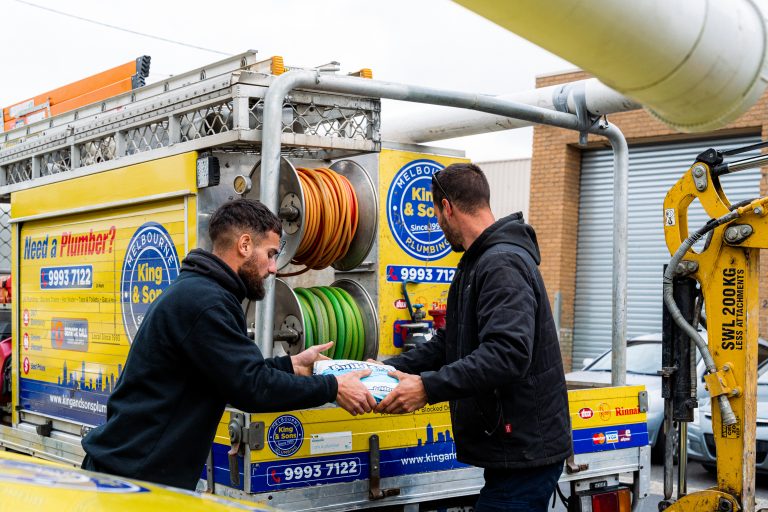
King and Sons Plumbing works with strata managers, owners corporations, and individual lot owners across Melbourne apartment buildings, providing clear assessments and documentation to help settle responsibility quickly. Call 03 9993 7122, available 24 hours a day, 7 days a week.