
Living in Melbourne means dealing with “four seasons in one day.” From scorching summer afternoons that bake your roof tiles to sudden, violent hailstorms and lashing rain, your roof is your home’s first line of defence. But when that defence fails, a tiny drip can quickly become a major structural headache.
At King and Sons Plumbing, we specialise in Leak Detection Melbourne and professional Roofing services. We don’t just patch holes; we find the root cause of the problem using advanced technology. This guide will walk you through how to find a leak in your roof, what to do in an emergency, and the truth about insurance coverage.
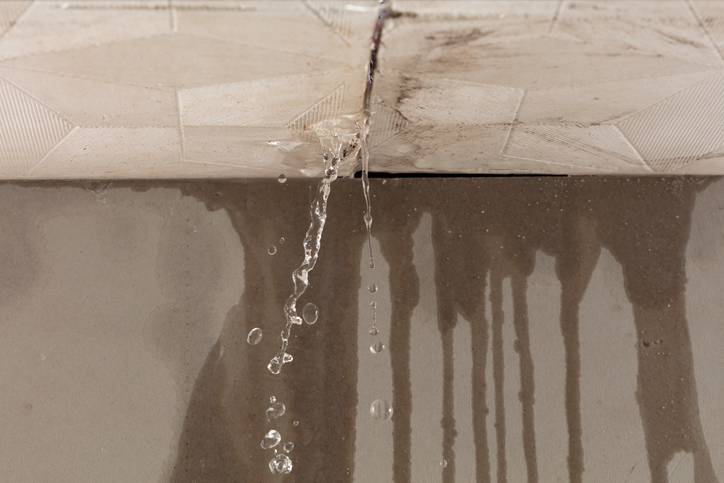
Finding the exact source of a leak is notoriously difficult. Because of the way roofs are pitched, water rarely drips directly below where it enters. It often enters at a ridge, runs down a rafter, and drips onto your ceiling meters away from the actual hole.
1. The Internal Investigation
If you are wondering how to detect roof leaks without climbing a ladder, start in your attic or roof cavity.
Look for “Trails”: Grab a high-powered torch and look for water stains, black marks, or mould on the wooden rafters.
The Shiny Spot: If it’s raining, look for reflections. Water on wood will look shiny under a torch.
The “Uphill” Rule: Always follow the moisture upwards. The highest point of the dampness is usually the entry point.
2. How to Check for Roof Leaks from the Ground
You can often check roof for leaks using a pair of binoculars from the street. Look for:
Cracked or Slipped Tiles: Even a 5mm gap can let in litres of water during a Melbourne downpour.
Damaged Flashing: This is the metal sheeting around chimneys, vents, and skylights. If it’s lifted or rusted, it’s a primary leak site.
Debris Buildup: Piles of leaves in “valleys” (where two roof sections meet) act like a dam, forcing water up and under the tiles.
When DIY Isn’t Enough
While the steps above are great for identifying the general area of a problem, certain roofing systems—especially complex metal profiles or heritage tiles—require a specialist. This is where a licensed Roof Plumber Melbourne becomes essential. Unlike a general handyman, a roof plumber is specifically trained to understand the hydraulics of water runoff and the structural integrity of your roof’s drainage system.
If your “garden hose test” or internal search doesn’t yield a clear answer, a professional can use advanced Leak Detection techniques to find the culprit.
Our Advanced Technology
At King and Sons Plumbing, we use a scientific approach to ensure we aren’t just guessing:
Thermal Imaging: We use infrared cameras to “see” moisture trapped behind your plaster walls or under your roof insulation without cutting holes.
Moisture Mapping: We track the spread of water to ensure we aren’t just fixing the drip, but also preventing the mould that follows.
Pressure Testing: For complex roof systems, we ensure the drainage and “sumps” can handle the volume of a Melbourne storm.
How to Stop a Roof Leak (Emergency Measures)
Once the source has been identified, you need to know how to stop a roof leak temporarily to prevent internal damage to your plaster and electronics.
The Tarp Method: If it is safe and dry enough to go up, a heavy-duty UV-rated tarp is the best temporary fix. Secure it with “battens” (strips of wood) rather than just bricks, as Melbourne winds can easily catch the edges.
Inside Fixes: If you can see the leak from the inside, do not try to plug the hole. This will just trap water and cause the wood to rot faster. Instead, place a bucket under the drip and use a piece of string to “lead” the water from the rafter into the bucket to prevent splashing.
How to Fix Roof Leak Issues Permanently
Knowing how to fix roof leak problems depends entirely on the material.
For Tiled Roofs: It usually involves replacing cracked tiles and “re-pointing” the ridge capping with a flexible acrylic compound.
For Metal Roofs: We often look for “rust pinholes” or loose Tek screws. Replacing old, weathered washers and applying professional-grade sealant is often the cure.
We recommend against using DIY silicone for anything other than a 24-hour emergency. Silicone shrinks and cracks in the Melbourne sun, often making the eventual professional repair more difficult and expensive.
Does House Insurance Cover Roof Leaks?
This is the most common question we get during an inspection: “Does insurance cover roof leaks?”
The answer is: It depends on the cause.
Sudden Events: If a storm blows tiles off your roof or a tree branch falls on it, house insurance usually covers roof leaks and the resulting internal damage.
Lack of Maintenance: If the leak is caused by rusted gutters, old porous tiles, or general “wear and tear,” most Australian insurers will reject the claim. Insurance is for “accidents,” not “maintenance.”
The “Resultant Damage” Clause: Sometimes, an insurer won’t pay to fix the roof (because it was old), but they will pay to replace the water-damaged ceiling and carpet.
Always check your Product Disclosure Statement (PDS) or call your provider, but remember: a maintenance check from a Roof Plumber Melbourne can save you a $10,000 out-of-pocket repair bill later.
Roof Plumber Melbourne: The Ultimate Guide to Leak Detection & Repairs
Living in Melbourne means dealing with “four seasons in one day.” From scorching summer afternoons that bake your roof tiles to sudden, violent hailstorms and lashing rain, your roof is your home’s first line of defence. But when that defence fails, a tiny drip can quickly become a major structural headache.
At King and Sons Plumbing, we specialize in Leak Detection Melbourne and professional Roof Plumber Melbourne services. We don’t just patch holes; we find the root cause of the problem using advanced technology. This guide will walk you through how to find a leak in your roof, what to do in an emergency, and the truth about insurance coverage.
How to Find a Leak in Your Roof: The Professional Method
Finding the exact source of a leak is notoriously difficult. Because of the way roofs are pitched, water rarely drips directly below where it enters. It often enters at a ridge, runs down a rafter, and drips onto your ceiling meters away from the actual hole.
1. The Internal Investigation
If you are wondering how to detect roof leaks without climbing a ladder, start in your attic or roof cavity.
Look for “Trails”: Grab a high-powered torch and look for water stains, black marks, or mould on the wooden rafters.
The Shiny Spot: If it’s raining, look for reflections. Water on wood will look shiny under a torch.
The “Uphill” Rule: Always follow the moisture upwards. The highest point of the dampness is usually the entry point.
2. How to Check for Roof Leaks from the Ground
You can often check roof for leaks using a pair of binoculars from the street. Look for:
Cracked or Slipped Tiles: Even a 5mm gap can let in litres of water during a Melbourne downpour.
Damaged Flashing: This is the metal sheeting around chimneys, vents, and skylights. If it’s lifted or rusted, it’s a primary leak site.
Debris Buildup: Piles of leaves in “valleys” (where two roof sections meet) act like a dam, forcing water up and under the tiles.
3. The Garden Hose Test
If it’s a dry day and you’re still asking how to find a roof leak, you can simulate the rain. Have one person stay in the roof cavity with a torch while another gently runs a garden hose over suspected sections of the roof. Start low and work your way up the roof slowly.
How to Stop a Roof Leak (Emergency Measures)
Once you’ve identified the spot, you need to know how to stop a roof leak temporarily to prevent internal damage to your plaster and electronics.
The Tarp Method: If it is safe and dry enough to go up, a heavy-duty UV-rated tarp is the best temporary fix. Secure it with “battens” (strips of wood) rather than just bricks, as Melbourne winds can easily catch the edges.
Inside Fixes: If you can see the leak from the inside, do not try to plug the hole. This will just trap water and cause the wood to rot faster. Instead, place a bucket under the drip and use a piece of string to “lead” the water from the rafter into the bucket to prevent splashing.
How to Fix Roof Leak Issues Permanently
Knowing how to fix roof leak problems depends entirely on the material.
For Tiled Roofs: It usually involves replacing cracked tiles and “re-pointing” the ridge capping with a flexible acrylic compound.
For Metal Roofs: We often look for “rust pinholes” or loose Tek screws. Replacing old, weathered washers and applying professional-grade sealant is often the cure.
As a leading Roof Plumber Melbourne, we recommend against using DIY silicone for anything other than a 24-hour emergency. Silicone shrinks and cracks in the Melbourne sun, often making the eventual professional repair more difficult and expensive.
Does House Insurance Cover Roof Leaks?
This is the most common question we get during an inspection: “Does insurance cover roof leaks?”
The answer is: It depends on the cause.
Sudden Events: If a storm blows tiles off your roof or a tree branch falls on it, house insurance usually covers roof leaks and the resulting internal damage.
Lack of Maintenance: If the leak is caused by rusted gutters, old porous tiles, or general “wear and tear,” most Australian insurers will reject the claim. Insurance is for “accidents,” not “maintenance.”
The “Resultant Damage” Clause: Sometimes, an insurer won’t pay to fix the roof (because it was old), but they will pay to replace the water-damaged ceiling and carpet.
Always check your Product Disclosure Statement (PDS) or call your provider, but remember: a $300 maintenance check from a Roof Plumber Melbourne can save you a $10,000 out-of-pocket repair bill later.
Why Choose King and Sons?
Many general plumbers will simply “guess” where a leak is coming from. At King and Sons Plumbing, we use a scientific approach to Leak Detection Melbourne.
Our Advanced Technology
Thermal Imaging: We use infrared cameras to “see” moisture trapped behind your plaster walls or under your roof insulation without cutting holes.
Moisture Mapping: We track the spread of water to ensure we aren’t just fixing the drip, but also preventing the mould that follows.
Pressure Testing: For complex roof systems, we ensure the drainage and “sumps” can handle the volume of a Melbourne storm.
The Melbourne Expert Advantage
We understand the local architecture. Whether you have a heritage Victorian home with slate tiles or a modern Colorbond masterpiece, we know the specific weak points of these structures.