In a city with as many heritage homes and diverse weather patterns as Melbourne, gas safety is a paramount concern for every homeowner. Natural gas is an efficient, reliable energy source for our heating, cooking, and hot water, but when the infrastructure fails, it presents a serious risk.
At King and Sons Plumbing, we specialize in professional Leak Detection Melbourne. We’ve spent years navigating the specific plumbing challenges of the city, from the aging gas lines in inner-suburban terraces to high-pressure modern installations. This guide is designed to empower you with the knowledge of how to find a gas leak, what to look for, and—most importantly—exactly what to do to keep your family safe.
What Does a Gas Leak Smell Like?
The most famous and immediate warning sign is the “rotten egg” smell. But what does gas smell like when it is leaking naturally?
Actually, natural gas and LPG are naturally odourless and colourless. To ensure they can be detected by the human nose, gas suppliers add a harmless chemical called Mercaptan. So, what does a gas leak smell like? It is a pungent, sulphurous odour often described as rotten eggs or cooked cabbage.
How do you know if you have a gas leak if you have a diminished sense of smell? You must rely on your other senses: your ears and your eyes.
How to Tell if You Have a Gas Leak: The Three-Sense Check
If you suspect something is wrong but aren’t 100% sure, use this three-step sensory audit to spot a gas leak:
1. Listen for Hissing or Whistling
How do you find a gas leak using sound? If a pipe has a small crack or a connection has come loose, the gas escapes under pressure. This often creates a distinct hissing, whistling, or even a low roaring sound near your gas meter, cooktop, or hot water unit.
2. Look for Visual Clues
How to detect a gas leak visually involves looking for physical disturbances:
Bubbles: If you suspect an underground leak, look at puddles or wet soil near your gas line. Escaping gas will create persistent bubbling or “fizzing” in the water.
Dead Vegetation: Gas leaking into the soil displaces oxygen. If you notice a patch of dead grass or a wilting shrub that follows the path of your gas line, you likely have an underground leak.
Dust Clouds: A significant leak near an appliance can sometimes kick up a small “whirlwind” of dust.
The Flame Test: How to check gas leak issues on your stove? A healthy gas flame should be a crisp, steady blue. If your flame is burning lazy, yellow, or orange, your appliance is not burning gas correctly and could be leaking or producing dangerous Carbon Monoxide.
3. Monitor Your Bills
If your gas usage has spiked unexpectedly compared to the same time last year, it’s a strong sign of a slow, “stealth” leak that hasn’t yet become strong enough to smell.
How to Test for a Gas Leak: The Soapy Water Test
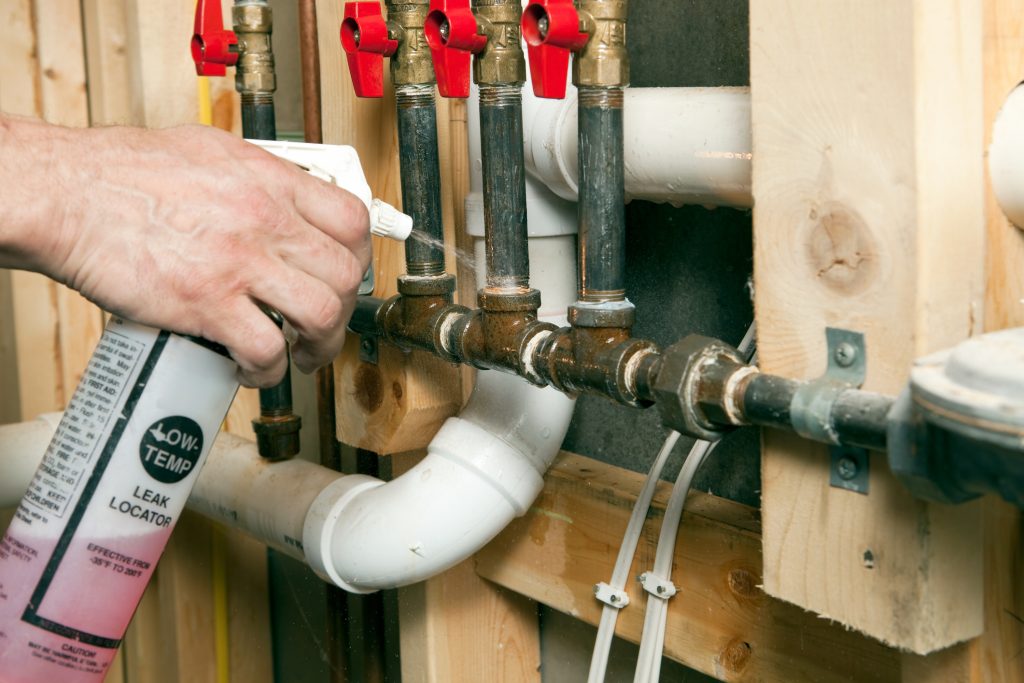
If you want to know how to test for gas leak issues on a specific connection (like your BBQ bottle or the visible pipework behind your stove), the “Soapy Water Test” is the industry-standard DIY method.
How do you test for a gas leak safely?
Mix a small amount of dishwashing liquid with water in a spray bottle.
Spray the solution onto the suspected joint, valve, or hose.
If there is a leak, the escaping gas will immediately create large, growing bubbles in the soap.
Warning: How to check for gas leak safety is paramount. Never use a match or a lighter to “test” for a leak. The results can be catastrophic.
What to Do in a Gas Emergency
If you can smell gas strongly or you’ve confirmed a leak with the soap test, you must act instantly. How do i detect a gas leak is only the first half—managing it is what saves lives.
Eliminate Ignition Sources: Do not turn lights on or off, use your phone, or operate any electrical appliances. A single spark is all it takes.
Isolate the Supply: Go to your gas meter (usually at the front of your Melbourne property) and turn the handle to the “Off” position (perpendicular to the pipe).
Ventilate: Open all doors and windows to allow the gas to dissipate.
Evacuate: Get everyone—including pets—out of the house immediately.
Who to call for gas leak emergencies?
On Your Property: If the leak is after the meter, it is your responsibility. You must call a licensed Melbourne Gasfitter like King and Sons Plumbing.
At the Meter or Street: If you can smell gas coming from the street or directly from the meter, call your gas distributor (such as Jemena or Australian Gas Networks) or call 000 if you feel there is an immediate danger to the public.
Why Choose King and Sons?
Finding a gas leak is not a job for a standard plumber. In Victoria, you must hold a specific gasfitting endorsement to legally and safely touch gas lines.
At King and Sons Plumbing, we don’t just “look” for leaks. We use professional-grade technology to find exactly how to detect leaking gas even when it’s hidden behind walls or deep underground.
Electronic Gas Sniffers: We use ultra-sensitive digital detectors that can find gas concentrations far below what the human nose can detect.
Manometer Pressure Testing: We perform a full “static pressure test” on your system. If the gauge drops even a fraction, we know there is a leak and we won’t leave until we find it.
Compliance Certification: We provide the necessary Victorian Building Authority (VBA) paperwork for all gas repairs, ensuring your home insurance remains valid.
If you suspect a leak, or you just want the peace of mind that your home is safe, contact King and Sons Plumbing today!